

Need Help?
+91 9596965335
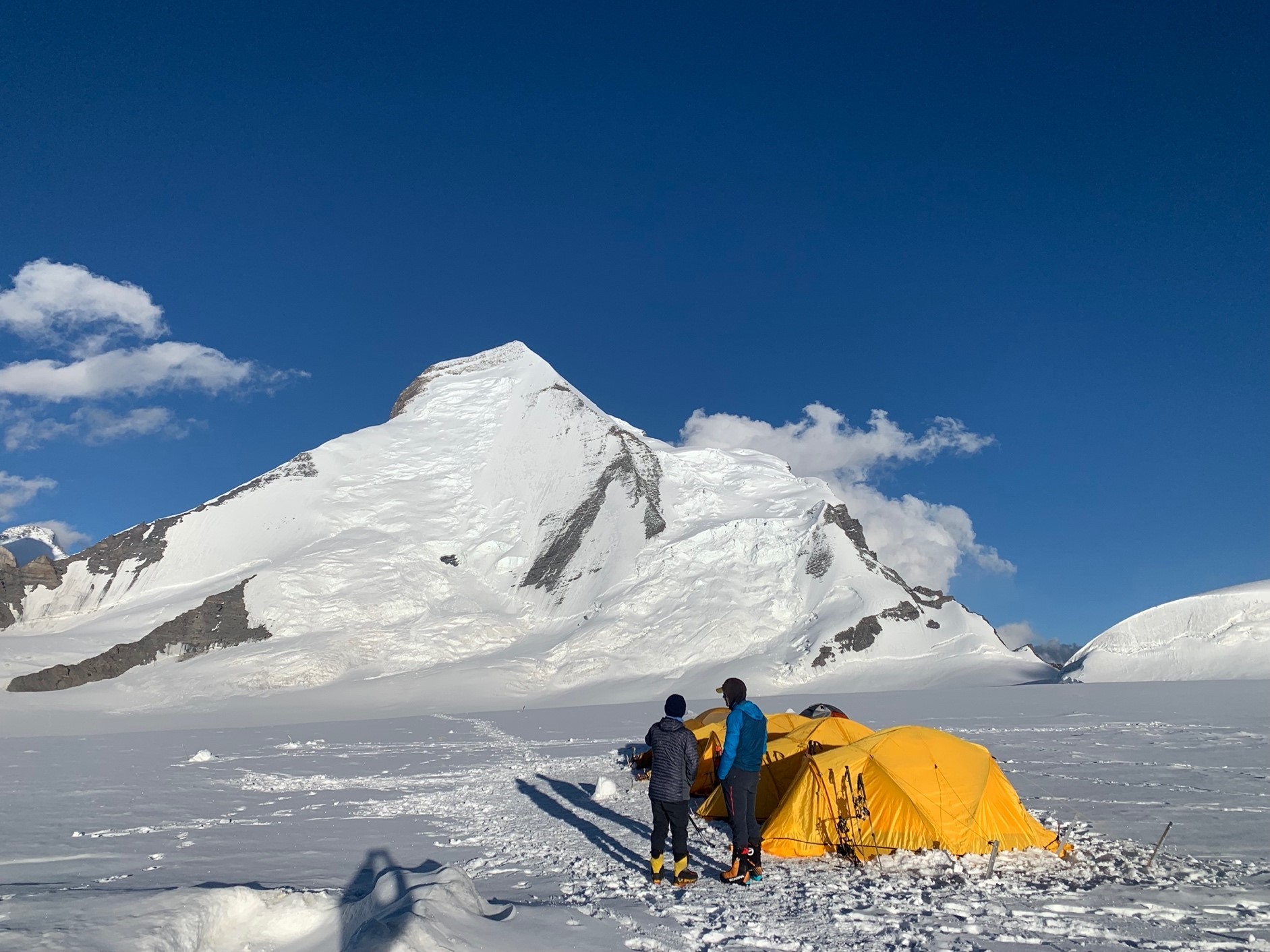
Mount Nun, standing tall at 7,135 meters, is the highest peak in the Nun-Kun massif, located in the stunning Zaskar Range of the Himalayas in northern India. The massif also features Mount Kun, which reaches 7,077 meters. Climbing Mount Nun is not just a remarkable achievement; it serves as a gateway for climbers to gain valuable high-altitude experience, potentially paving the way for ascents of even higher peaks, including those over 7,500 meters and some less-technical 8,000-meter summits.
At Ladakh Nomad Expeditions, safety is our top priority. We believe that a successful and safe expedition relies heavily on the experience and preparedness of each climber. Therefore, we do not accept climbers without prior peak climbing experience. It is crucial that we thoroughly check and verify your alpine and mountain climbing history before you can join the expedition. This ensures that all participants are equipped with the necessary skills and knowledge to tackle the challenges posed by high-altitude climbing. By adhering to these guidelines, we aim to create a safe and supportive environment for all climbers, allowing everyone to fully embrace the adventure that Mount Nun has to offer.
Prerequisites: Prior climbing experience includes Kilimanjaro, Mt. Elbrus, Lobuche East, Island Peak, Chulu West, Khumbu 3 Peaks, Aconcagua, Kang Yatse I and Mt. Blanc, with 4,000 to 6,000-meter climbs. Atleast 4 6000er pearks.
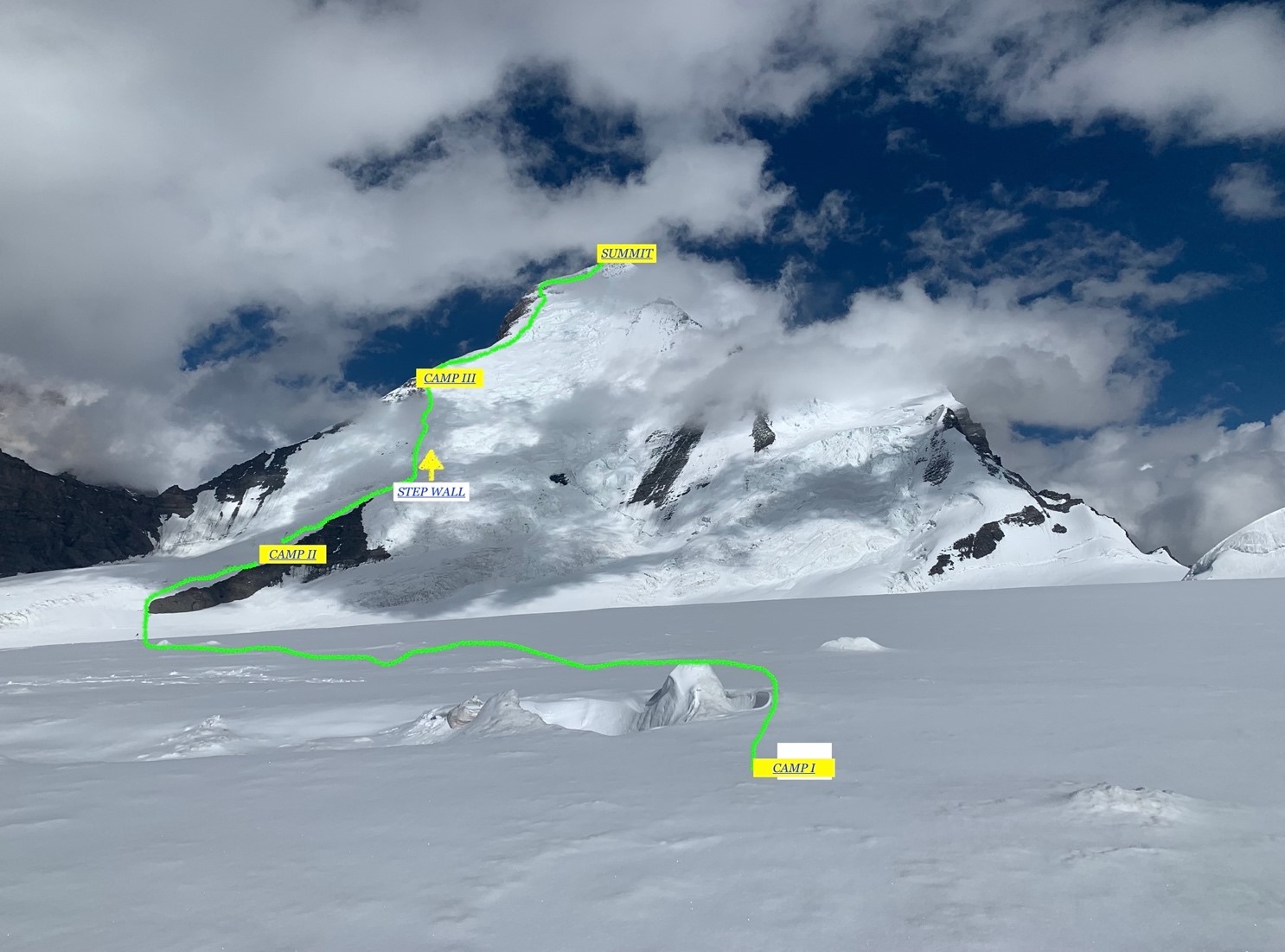
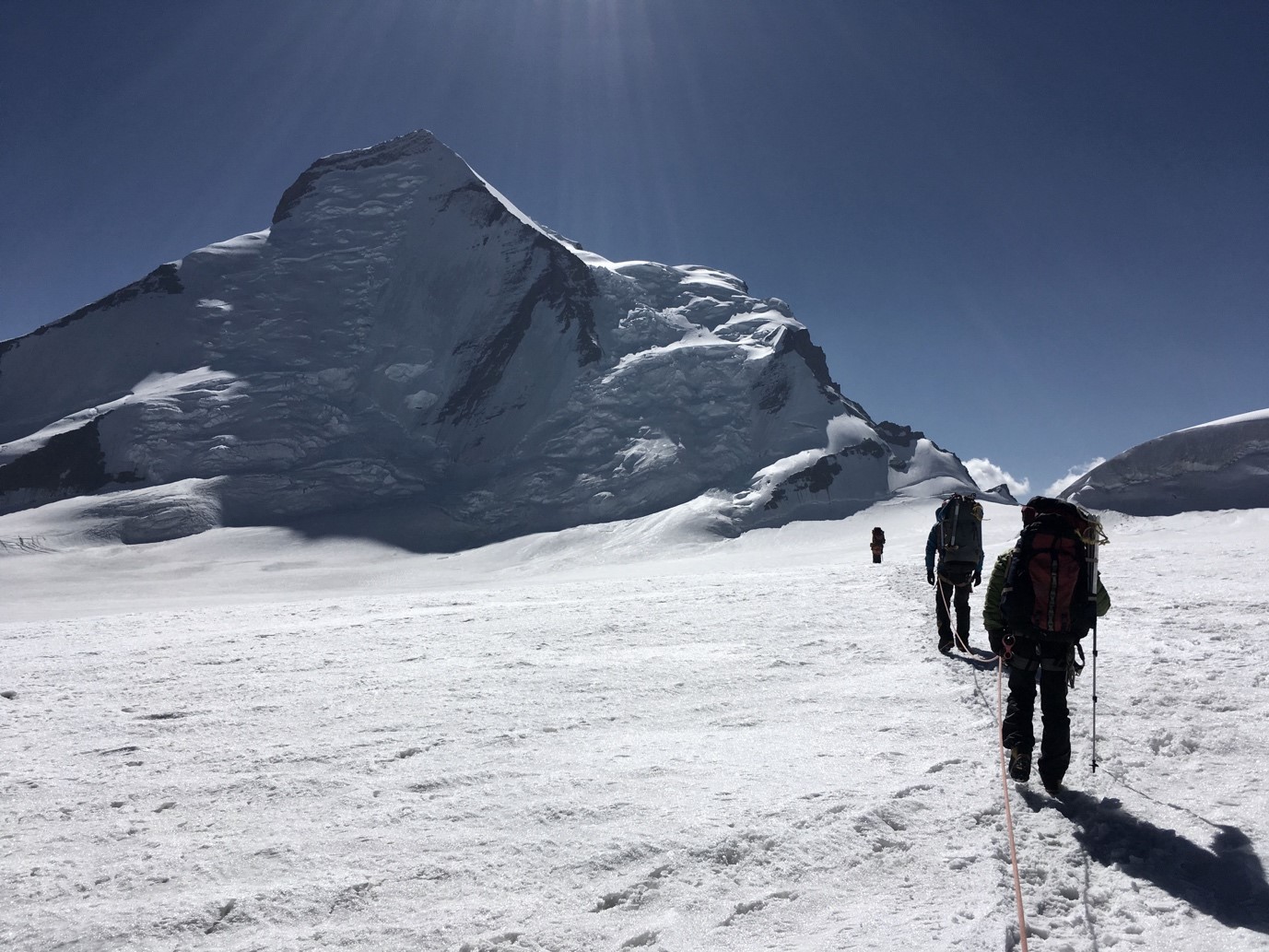
Mount Nun, at 7,135 meters, is one of the most sought-after climbing expeditions in the Indian Himalayas, offering a relatively short approach to base camp. The route is graded AD/4, combining technical climbing with glacier travel. The ideal climbing season runs from June to August, coinciding with the dry period in many other Himalayan regions. Our team will ascend via the western ridge, which is deemed safer and more accessible.
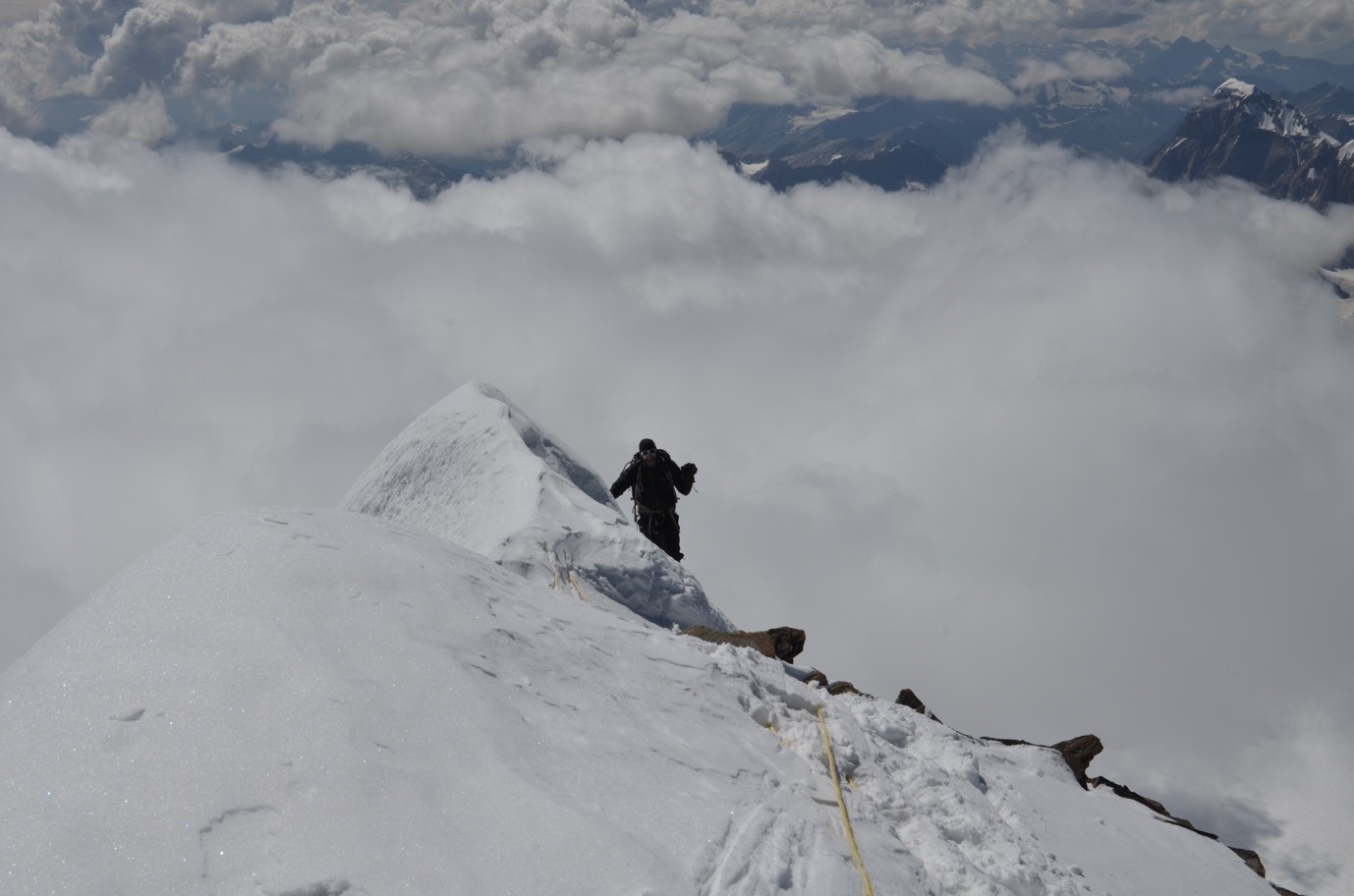
While considered semi-technical, climbers must maintain high physical fitness throughout the expedition. This is a prime opportunity for those looking to tackle a 7,000-meter climb and experience classic mountaineering.
Ladakh, known for its stunning natural beauty and Tibetan cultural influence, features breath taking landscapes, high mountain passes, and historic Buddhist monasteries. It’s an ideal destination for both culture enthusiasts and adventure seekers.
History: Mount Nun was first ascended in 1953 by a team led by Bernard Pierre and Pierre Vittoz via the west ridge.
Arrival at Leh Airport and transfer to the Grand Dragon Hotel. Rest and relax to adapt to the high altitude. Evening free for leisure and short walks around the Leh Market.
Highlights: Leh Market, High-altitude acclimatization
Hotel: Grand Dragon Hotel
Meals: Breakfast Included
A complete acclimatization day in Leh to help your body adjust to the altitude. Visit famous attractions like Shanti Stupa, Leh Palace, and nearby monasteries at a relaxed pace.
Highlights: Shanti Stupa, Leh Palace, Monasteries
Hotel: DGH
Meals: Breakfast Included
Drive towards the stunning Pangong Lake via the famous Chang La Pass. Enjoy breathtaking Himalayan landscapes and changing mountain views throughout the journey.
Highlights: Pangong Lake, Chang La Pass
Hotel: Pangong Menor Resort
Meals: Breakfast, Lunch & Dinner
Spend the day exploring the beauty of Pangong Lake, surrounded by majestic mountains and crystal-clear blue waters. Relax and prepare for the upcoming expedition.
Highlights: Pangong Lake Views, Mountain Landscapes
Hotel: PMR
Meals: Breakfast, Lunch & Dinner
Drive back to Leh while enjoying the scenic beauty of Ladakh’s valleys and mountain passes. Evening free for shopping and expedition preparation.
Highlights: Scenic Mountain Drive, Ladakh Valleys
Hotel: DGH
Meals: Breakfast Included
Journey towards Kargil through dramatic landscapes, monasteries, and beautiful valleys. Experience the rugged beauty of the Ladakh region.
Highlights: Kargil, Mountain Valleys, Monasteries
Hotel: Chutu Height Hotel
Meals: Breakfast, Lunch & Dinner
Drive to Tangol Village, the starting point of the trekking expedition. Meet the expedition crew and organize climbing equipment before beginning the adventure.
Highlights: Tangol Village, Expedition Preparation
Hotel: Camp Stay
Meals: All Meals Included
Begin the trek towards Nun Base Camp through glacier valleys and rugged mountain terrain. Enjoy spectacular Himalayan scenery throughout the trek.
Highlights: Nun Base Camp, Glacier Valleys, Himalayan Trekking
Hotel: Base Camp
Meals: All Meals Included
The climbing period includes acclimatization rotations, technical climbing sessions, summit preparation, and the final summit attempt of Nun Peak. Weather conditions and team progress will determine the daily climbing schedule.
Highlights: Nun Peak Expedition, Summit Attempt, High-Altitude Climbing
Hotel: Expedition Camps
Meals: All Meals Included
Trek back from Base Camp to Tangol and continue driving towards Kargil. Celebrate the successful completion of the expedition journey.
Highlights: Return Trek, Mountain Landscapes
Hotel: Chutu Height Hotel
Meals: Breakfast, Lunch & Dinner
Drive back to Leh while enjoying the final scenic views of Ladakh’s dramatic mountains and valleys. Evening free for relaxation and shopping.
Highlights: Scenic Ladakh Drive, Leh Market
Hotel: Grand Dragon Hotel
Meals: Breakfast Included
Transfer to Leh Airport for your onward journey with unforgettable memories of the Nun Peak Expedition.
Highlights: Departure from Leh
Meals: Breakfast Included

60+ Guide Await to Help You
Call to Ladakh Nomad Expeditions.
+91 9596965335
ladakhnomadexpeditions@gmail.com

Welcome to Ladakh Nomad Expeditions, where adventure meets authenticity in the heart of the Himalayas.
Copyright 2026 Ladakh Nomad Expeditions | All Right Reserved.